|
|
|
|
|
|
Recently I met a World War II veteran, a man one hundred years old who had been at Normandy and at the Battle of the Bulge. Thanking this man for his service was a great honor, and something I will remember for a long time.
|
Memorial Day always reminds me of my brother and two brothers-in-law who were soldiers in WW II. I was a child, then, ignorant of much that was happening and shielded from the family’s worries.
|
Later I became more aware, seeing graphic photos of wartime destruction and concentration camps in Life magazine. And of course there were movies glorifying American accomplishments 'on land and sea.'
|
None of these told the whole story. We read names in history books—Normandy, Midway, Bataan, Guadalcanal—and over time they can become little more than words. But then you meet someone who was there—or someone who lost a father, brother, husband, daughter or son—and history stops being paragraphs in a book. It becomes a person standing in front of you.
|
Yesterday I watched part of a documentary series on the Pacific Theater of World War II. What struck me most was not only the destruction and loss, but the realization that so many critical decisions were made with imperfect knowledge. There were strategies and plans, but there were also guesses, uncertainty, and moments where lives turned on luck.
|
The pilots, sailors, soldiers, and others carrying out those orders were often very young. Brave, skilled, frightened, and human.
|
I cannot imagine the fear that must have filled the daily lives of loved ones who waited at home.
|
Perhaps that is one reason I like historical fiction. We often think of history as dates and battles and famous names. But stories remind us that history was lived by ordinary people—people who worried, hoped, loved, struggled, and simply tried to get through one more day.
|
|
On Memorial Day, we remember those who never had the chance to come home and continue their stories.
|
May we remember them not only as names, but as ordinary people whose lives, like ours, were filled with dreams, hopes, and people they loved.
|
I wish you and your family a meaningful Memorial Day.
|
|
|
|
|
|
|
|
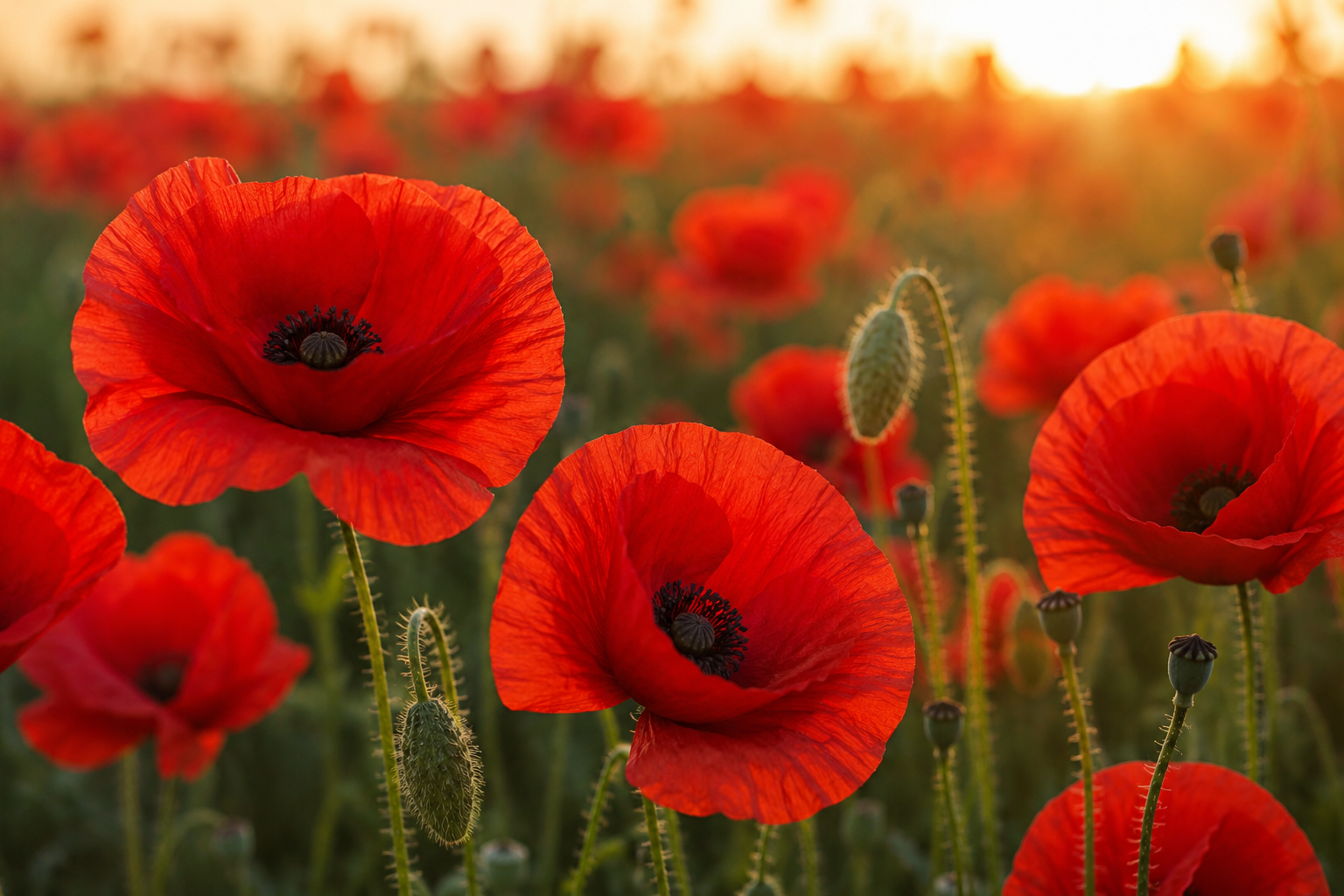
The Red Poppy became associated with remembrance after the World War I poem "In Flanders Fields", which described poppies growing among soldiers' graves.
|
|
|
|
|
You received this email because you signed up to my newsletter. Feel free to contact me at www.carolervin.com
|
|
|
|
|
|
|
|
|
Thanks for reading, and thanks for your ratings and reviews!
|
|

|

|
|
|
|
|
|
